The hemp vs soy protein decision comes down to a clear trade-off, similar to how pea protein fits between whole-food and isolate-based options: soy delivers higher protein density and a balanced amino profile at a lower cost, while hemp provides whole-food nutrition, natural fiber, and is easier to digest for sensitive stomachs and the digestive system.
Both plants qualify as complete protein sources, yet they behave very differently inside a daily diet as sources of plant based protein, making them suitable for vegan diets, with pea protein often used alongside them to balance plant-based formulations. Processing methods, allergen risks, phytoestrogen content, and fatty acid composition all shift the answer depending on your body, training goals, and tolerance.
The sections below break down the macros, amino acid ratios, safety concerns, and clean-label criteria that separate a premium plant protein from an average one in 2026, with direct comparisons to pea and rice protein for full context.
Hemp Protein vs Soy Protein: Key Differences at a Glance
Soy protein wins on density and cost, delivering around 90% protein in isolates with a complete amino profile and high protein content, making it the closest plant-based alternative to whey protein in terms of protein concentration, while hemp protein wins on whole-food nutrition, offering fiber, omega-3 and omega-6 fatty acids, and hypoallergenic digestibility.
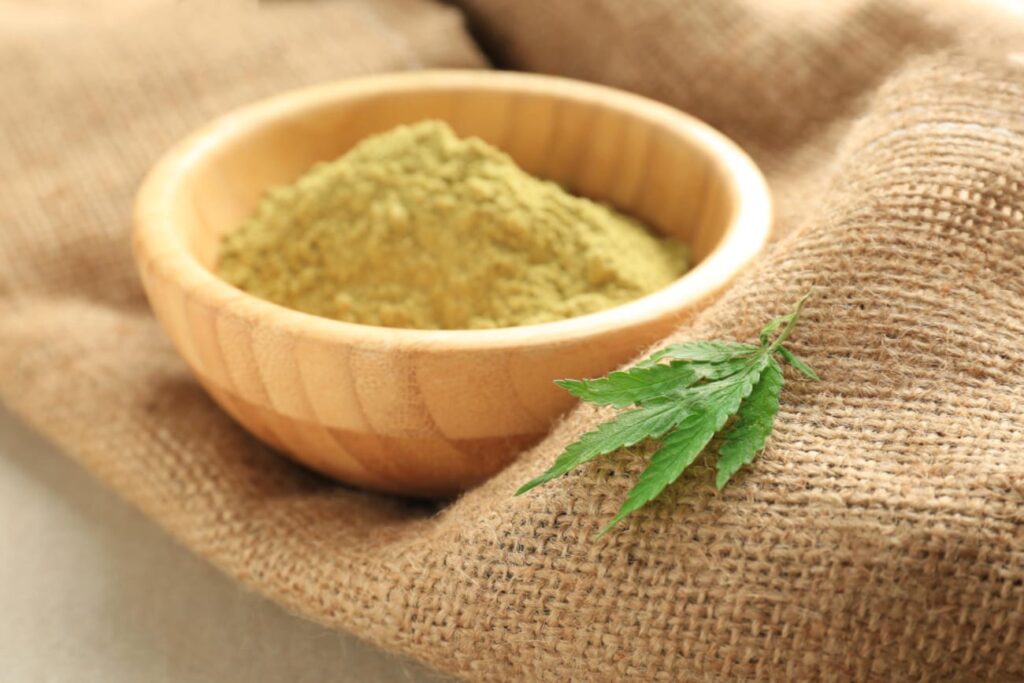
Hemp powder is produced by cold-pressing hemp seeds (Cannabis sativa) and milling the remaining cake, which preserves natural fats, minerals, and fiber. Soy protein, by contrast, comes from defatted soybeans processed into concentrate (around 70% protein) or isolate (85–90% protein) through aqueous or solvent extraction.
| Per 30 g serving | Hemp Protein | Soy Protein Isolate |
| Protein | ~15 g | ~27 g |
| Calories | ~120 | ~110 |
| Fat | ~3 g (omega-3/6) | ~1 g |
| Fiber | ~8 g | ~2 g |
| Complete protein | Yes (lower lysine) | Yes (PDCAAS 1.0) |
| Common allergen | No | Yes (top 8 allergens) |
| GMO risk | Low (non-GMO) | High unless certifie |
The verdict depends on your goal. Choose hemp protein for digestive gentleness, balanced fatty acids, and clean-label nutrition, especially if you react to soy, dairy, or gluten. Choose soy protein isolate for maximum muscle-building leucine and the lowest price per gram of protein.
Both are complete plant proteins. But they serve different bodies and different priorities, which highlights the real difference and why the rest of this comparison matters.
Nutritional Profile: Macros and Calories Compared
A 30g serving of hemp protein powder typically delivers 13–15g of protein (45–50%), while soy isolate reaches 25–27g (85–90%), making soy the denser choice per scoop in terms of overall protein content.
Hemp protein powder carries more fat, around 3–4g per serving, because it retains essential fatty acids from the pressed seed. These fats include a balanced omega-3 to omega-6 ratio near 1:3, which supports cardiovascular health and heart health alongside hormone regulation, and may help reduce inflammation, contributing to overall health benefits.
Fiber marks the sharpest divide. Hemp provides roughly 8g of dietary fiber per serving, whereas soy isolate contains almost none due to aggressive defatting and filtration. As a result, hemp promotes satiety and feeds gut microbiota, supporting gut health, while soy focuses purely on amino delivery and higher protein content per serving.
Hemp also retains naturally occurring magnesium, iron, zinc, and vitamin compounds from the whole seed, whereas pea protein typically undergoes isolation that reduces its micronutrient density. Soy isolate loses most micronutrients during processing and often relies on fortification.
Amino Acid Profiles and Complete Protein Status
Both hemp and soy qualify as complete proteins, supplying all nine essential amino acids the human body cannot produce. The widespread belief that hemp is “incomplete” is a misconception, though the amino ratios differ meaningfully between the two sources.
Hemp contains lower levels of lysine and leucine than soy, which reduces its efficiency for muscle protein synthesis since leucine is the primary trigger for anabolic signaling, as these amino ratios naturally reflect the composition of the hemp plant. Soy, by contrast, delivers a richer BCAA load (leucine, isoleucine, valine), also known as branched chain amino acids, that favors post-workout recovery and supports muscle growth.
Digestibility separates them further. Soy protein isolate scores a PDCAAS of 1.0, the maximum rating, reflecting its high protein quality and making it easier to digest, while hemp typically ranges between 0.63 and 0.66 because of its fiber content and smaller lysine share.
Hemp compensates with exceptionally high levels of arginine, a precursor to nitric oxide that supports vasodilation and cardiovascular function, and heart health, adding further health benefits, vitamin support and other benefits beyond pure muscle-building metrics.
Concerns and Side Effects: Allergies, Phytoestrogens, and Who Should Avoid
Both proteins are safe for most people, but each carries distinct considerations worth understanding before choosing a daily source.
Soy ranks among the top eight FDA-recognized allergens, triggering reactions that range from mild digestive upset to anaphylaxis in sensitive individuals. It also contains isoflavones, a class of phytoestrogens that mimic estrogen in the body and may influence hormone-sensitive conditions such as estrogen-positive breast cancer or thyroid disorders. People managing these conditions often consult an endocrinologist before adding concentrated soy protein to their diet.
Processing matters too. Raw soybeans carry trypsin inhibitors that block protein absorption, so only properly heat-treated or fermented soy products deliver their full amino value. GMO status is another factor, since over 90% of US soy is genetically modified unless the label carries a certified organic or Non-GMO Verified seal.
Hemp protein has its own short list of concerns. Unrefined hemp can contain trace cannabinoids far below psychoactive thresholds, yet professional athletes under strict anti-doping protocols may prefer batch-tested products. Reputable suppliers verify each lot stays below the legal 0.3% THC limit. The fiber content (around 8g per serving) can also cause mild bloating in people unaccustomed to high-fiber intake, and rare hemp seed allergies exist but are uncommon.
For anyone avoiding soy, dairy, gluten, or nuts, hemp offers a hypoallergenic alternative with a clean ingredient profile and no hormonal activity, making it a suitable option. It is also often better tolerated than whey protein derived from milk, especially by individuals with sensitive digestion, lactose intolerance, or dairy allergies.
Healthiest Protein Powder: What to Look for in Clean Ingredients
The healthiest protein powder is not defined by a single brand or plant source, but by four measurable criteria: minimal processing, a complete or complementary amino profile, zero artificial additives, and third-party verification, which is why many consumers are shifting away from heavily processed whey protein products toward cleaner plant based protein options.
A Label-Reading Checklist
Before adding any protein to your cart, scan the ingredient panel against these rules:
- Processing method: choose cold-pressed hemp over hexane-extracted soy isolate, because solvent residues compromise clean-label standards.
- Sweeteners: avoid sucralose, aspartame, and acesulfame potassium.
- Fillers: skip maltodextrin, xanthan and guar gums, and refined seed oils.
- Certifications: prioritize USDA Organic, Non-GMO Verified, and BRCGS AA for food safety traceability.
Isolate vs Concentrate
Isolates push protein content above 85% but rely on aggressive extraction that strips fiber, minerals, vitamin content and phytonutrients. Concentrates retain more whole-food nutrition at a lower protein density, which suits buyers prioritizing digestive health over gram-per-scoop efficiency.
Match the Protein to Your Goal
Hemp suits weight loss and digestion, since its fiber promotes satiety and its calorie-to-protein ratio supports lean intake. Soy suits muscle building thanks to higher leucine and a PDCAAS of 1.0. Blends of hemp, pea protein, and rice serve those who want balanced daily nutrition without picking a single winner.
A trustworthy label combines cold-pressed sourcing, BRCGS AA rating, Log5 pasteurization, and stacked organic certifications across USDA, EU, and Canada Organic. Readers wanting a clean option can start with premium hemp protein powder that meets all four criteria above.
How Hemp and Soy Compare to Other Plant Proteins (Pea, Rice)
Pea protein, rice, soy, and hemp each occupy a distinct niche on the plant protein spectrum, compared to other protein sources. Pea isolate delivers 80–85% protein but runs low in methionine, while rice protein lands at 70–80% and lacks sufficient lysine. Soy isolate reaches 85–90% with a complete amino profile, and hemp sits at 45–50% with all nine essentials but a lower PDCAAS due to reduced digestibility.
Blending solves most single-source weaknesses. Combining pea and rice in roughly a 70:30 ratio produces a complete amino profile comparable to soy, because rice’s methionine compensates for pea’s gap. Pairing hemp with pea boosts lysine and leucine, supporting muscle recovery while preserving hemp’s fiber and omega fatty acids.
Taste and mixability shape daily adherence. Hemp carries an earthy, nutty flavor that integrates smoothly into smoothies and oat bases. Pea often feels chalky, rice stays neutral, and soy tastes mild but occasionally beany.
Cost reflects processing intensity and yield. Soy is the most affordable at commercial scale, pea sits mid-range, and hemp commands a premium because cold-press extraction and lower per-acre yields raise production costs.
For people starting with a single clean base, pure hemp products offer a transparent entry point before experimenting with blends.
Hemp Protein vs Soy Protein: FAQ
Is Soy or Hemp Protein Better?
The better choice depends on your goal. Soy wins on protein density, amino completeness, and price per gram, making it the stronger pick for muscle gain and budget-conscious buyers.
Hemp wins on fiber content, omega-3 and omega-6 fatty acids, allergen safety, and whole-food transparency, making it the better fit for digestive comfort, clean eating, and sensitive diets.
Many nutritionists suggest alternating or blending both sources to diversify amino intake. Rotate soy on training days for leucine-driven recovery, and rely on hemp on rest days for fiber and essential fats.
Who Should Not Take Hemp Protein?
Hemp protein is not ideal for people on very low-fiber medical diets, such as post-surgery recovery or active IBS flare-ups, since 8g of fiber per serving can aggravate symptoms. Individuals with rare hemp seed allergies should also avoid it.
Professional athletes under strict anti-doping protocols may want to skip unrefined hemp protein, since trace cannabinoids, though well below psychoactive levels, can complicate testing.
For everyone else, hemp protein is safe and particularly valuable for those avoiding soy, gluten, dairy, or common allergens. Consult a healthcare provider if pregnant, breastfeeding, or managing a chronic condition.
What Is the Healthiest Type of Protein Powder?
The healthiest protein powder meets four criteria: a complete or complementary amino profile, minimal processing (cold-pressed preferred over solvent-extracted), no artificial sweeteners or fillers, and third-party certifications such as USDA Organic, Non-GMO Verified, or BRCGS.
No universal winner exists, because individual tolerance, training goals, allergies, and individual needs ultimately decide the best fit, with whey protein still preferred by some athletes for rapid absorption, while plant-based options like hemp and soy continue to close the gap. A soy-sensitive reader and a competitive bodybuilder will reach different conclusions from the same label.
For clean-label and whole-food priorities, hemp protein leads thanks to its unrefined processing and fiber retention. For pure performance and maximum leucine per scoop, certified organic soy isolate remains the stronger match.
Is Hemp Protein Soy-Free?
Yes. Hemp protein is made exclusively from pressed hemp seeds (Cannabis sativa) and contains zero soy, soy derivatives, or soy-based additives.
This makes it a reliable option for soy-allergic consumers, people with thyroid conditions avoiding phytoestrogens, and anyone seeking an estrogen-neutral protein source.
Always check labels on blended powders, since some products add soy lecithin as an emulsifier or are processed in facilities handling soy, which raises cross-contamination risks. Single-ingredient options like bulk hemp seeds offer the cleanest, fully soy-free starting point.
Choosing the right plant protein comes down to matching the source to your body’s needs, and sourcing quality matters just as much as the species itself. Allive supplies non-GMO, cold-pressed hemp protein backed by BRCGS AA, USDA Organic, and Non-GMO Project certifications.
Whether you are formulating a new protein blend, developing functional foods, or building a clean-label product line, our team helps brands build nutrition they can stand behind across a wide range of practical applications. Reach out to discuss how hemp can fit into your formulation, because great products start with ingredients you can trust.